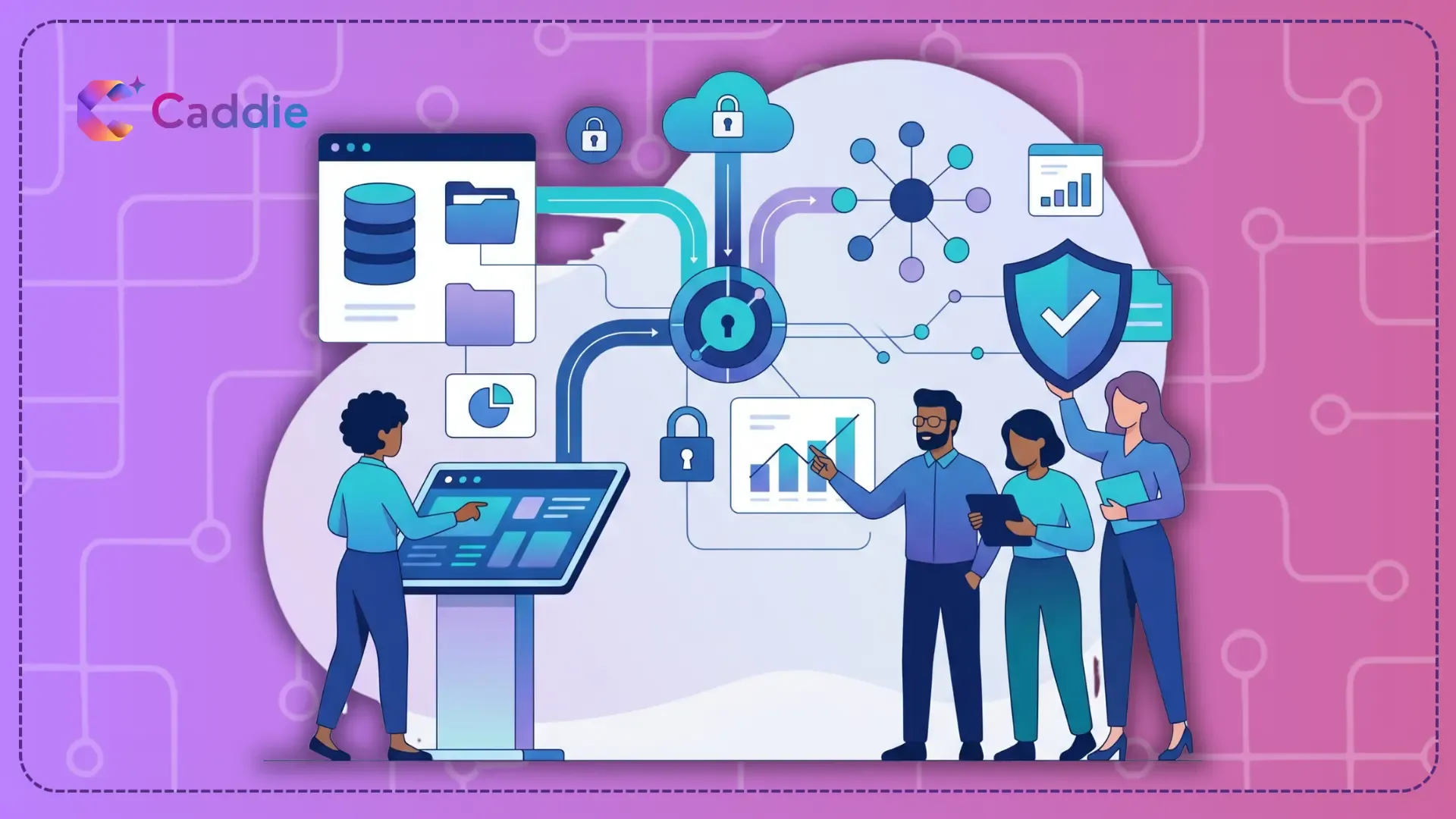
At its core, the data governance definition revolves around the internal rules, policies, and processes that an organization uses to manage the availability, usability, integrity, and security of its data. Simply put, data governance means a strategic blueprint that ensures data is trustworthy, consistent, universally understood, and protected across the entire enterprise. Rather than just storing information, a robust governance program dictates who can take what action, upon what data, in what situations, using what methods.
Why is Data Governance important?
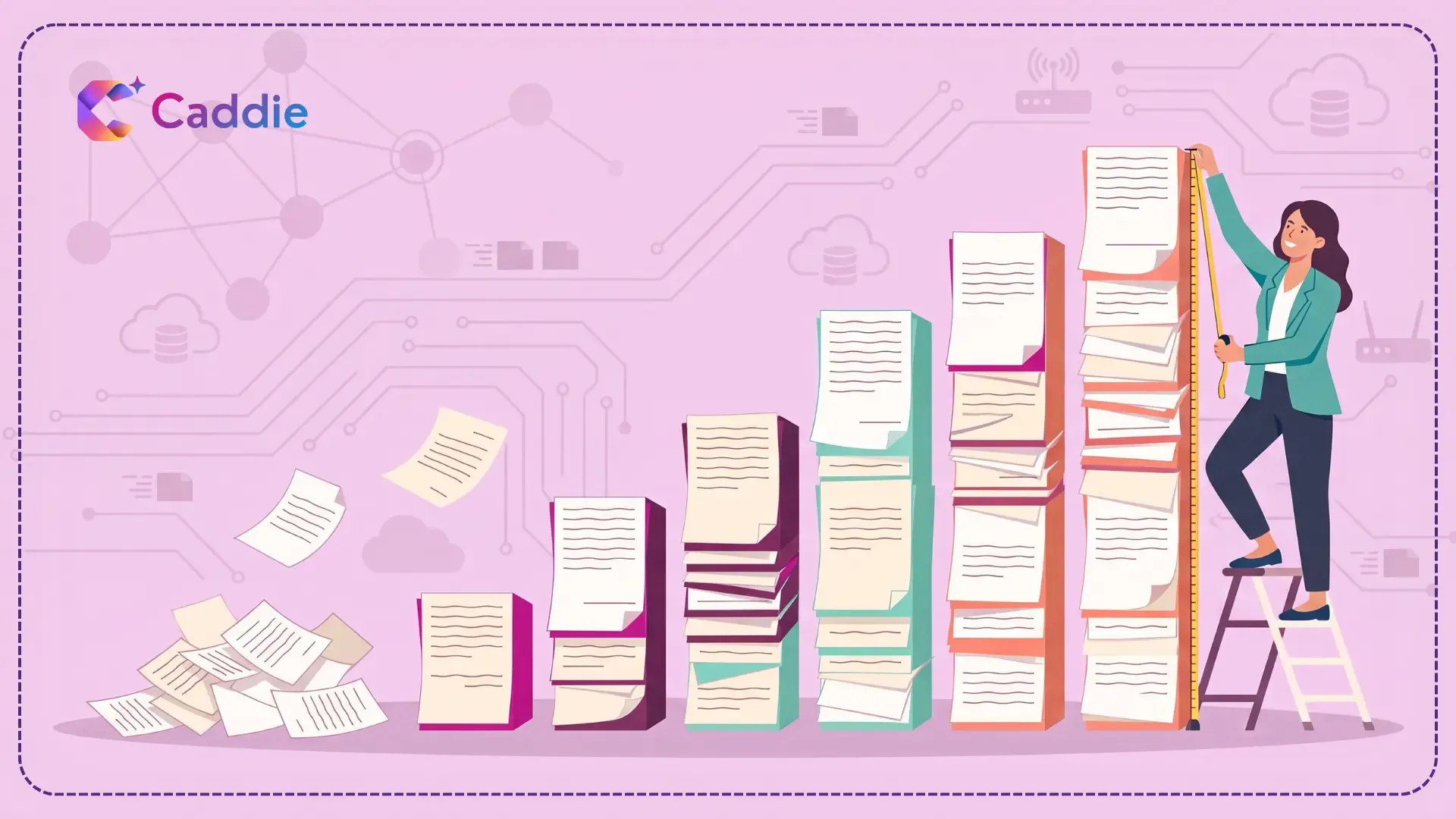
A common question executives ask: What is data governance, and why is it important to our bottom line? The answer lies in the reality of the modern digital landscape. Businesses are generating more data than ever before, but without governance, this data is often chaotic, siloed, and unreliable. Governance transforms raw data into a reliable, strategic asset.
Ensuring Data Quality and Consistency
When different departments operate in silos, you often end up with conflicting information. Marketing might have a different email address for a customer than Billing does. Governance creates a "single source of truth." By standardizing data formats and enforcing quality checks, organizations ensure their information is accurate, complete, and reliable.
Regulatory Compliance and Security
With the rise of strict data privacy laws like GDPR (General Data Protection Regulation), CCPA (California Consumer Privacy Act), and HIPAA (Health Insurance Portability and Accountability Act), mismanaging data can lead to devastating financial penalties and reputational damage. Governance ensures that sensitive data (like PII or Personally Identifiable Information) is classified, tracked, and protected with appropriate access controls. It provides the audit trails necessary to prove compliance to regulators.
Empowering Better Decision-Making
Leaders rely on data dashboards and analytics to steer the company. Whether you are tracking financial metrics or leveraging tools like Conversational Analytics to decode customer interactions, if the underlying data is flawed, the resulting business strategies will be flawed, too. By ensuring data integrity, governance builds trust. When stakeholders trust the data, they can make faster, more confident decisions that drive revenue and growth.
Cost Reduction and Efficiency
Poor data management is expensive. Duplicate records, manual reconciliation processes, and fixing data errors consume thousands of valuable employee hours. Governance streamlines data architectures, eliminates redundant data storage costs, and frees up your workforce to focus on high-value analytics rather than data cleanup.
Data Governance vs. Data Management
While often used interchangeably, data governance and data management are distinct disciplines that work hand in hand.
Think of data governance as the legislative and judicial branches of your data strategy. It sets the laws, defines the standards, and audits compliance. It asks the "what" and the "why."
Data management, on the other hand, is the executive branch. It involves the actual physical or technical implementation of those rules. Management encompasses database administration, data architecture, ETL (Extract, Transform, Load) processes, and data integration.
In short, data governance dictates that passwords must be encrypted and rotated every 90 days; data management is the IT process of actually encrypting those passwords and enforcing the reset prompt.
The Core Components of a Data Governance Framework
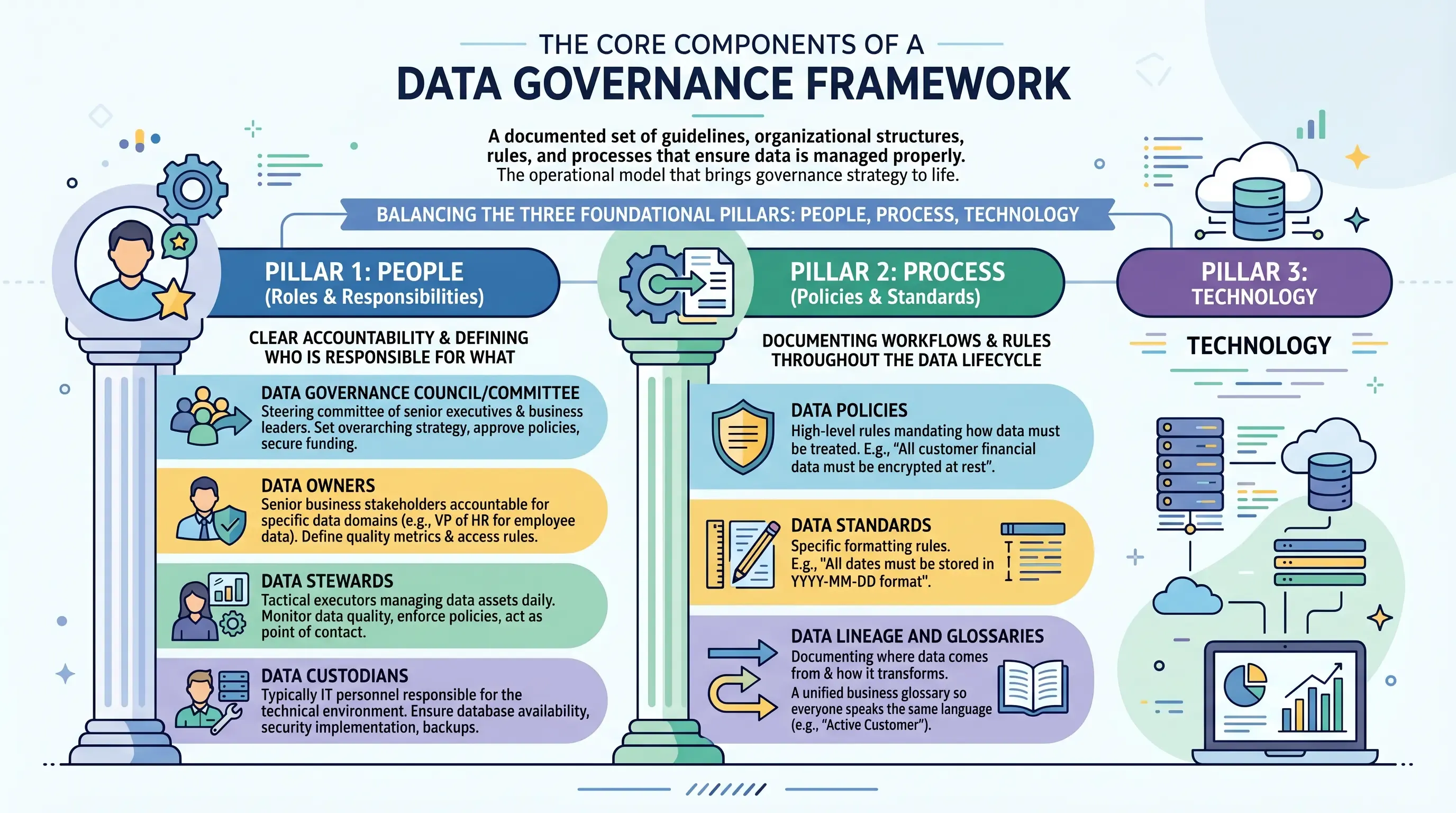
To move from theory to practice, organizations need a structured approach. So, you might ask what is data governance framework? A data governance framework is a documented set of guidelines, organizational structures, rules, and processes that ensure data in your company is managed properly.
It acts as the operational model that brings the governance strategy to life. Building a successful data governance model requires a delicate balance of several elements. Industry experts universally agree that the components of data governance rest on three foundational pillars: People, Process, and Technology.
People (Roles & Responsibilities)
You cannot govern data without clear accountability. Defining who is responsible for what, is arguably the most critical pillar. Typical roles within data governance frameworks include:
Data Governance Council/Committee: A steering committee of senior executives and business leaders who set the overarching strategy, approve policies, and secure funding.
Data Owners: Usually senior business stakeholders accountable for a specific data domain (e.g., the VP of HR is the owner of employee data). They define the quality metrics and access rules for their domain.
Data Stewards: The tactical executors who manage data assets on a day-to-day basis. They monitor data quality, enforce policies, and act as the point of contact for data-related issues.
Data Custodians: Typically, IT personnel responsible for the technical environment, ensuring database availability, security implementation, and backups.
Process (Policies & Standards)
The second pillar involves documenting the workflows and rules that govern data throughout its lifecycle, from creation to archiving or deletion.
Data Policies: High-level rules that mandate how data must be treated (e.g., "All customer financial data must be encrypted at rest").
Data Standards: Specific formatting rules (e.g., "All dates must be stored in YYYY-MM-DD format").
Data Lineage and Glossaries: Documenting where data comes from, how it transforms as it moves through systems, and providing a unified business glossary so everyone speaks the same language (e.g., defining exactly what constitutes an "Active Customer").
Technology (Tools & Automation)
While people and processes are paramount, scaling governance across a modern enterprise is impossible without the right technology. Data governance solutions are software platforms designed to automate and enforce your framework. These tools typically offer capabilities like automated data cataloging, metadata management, data quality monitoring, and role-based access control enforcement.
Data Governance Challenges and Roadblocks
Implementing a governance program is not a smooth journey. You need to understand potential pitfalls and learn to navigate them successfully.
Overcoming Cultural Resistance
Governance inherently involves change, and people generally resist change. Departments accustomed to doing whatever they want with "their" data may view governance as bureaucratic red tape. Overcoming this requires extensive change management, education, and clearly communicating the "WIIFM" (What's In It For Me) to individual departments.
Breaking Down Data Silos
Organizations often operate with fragmented systems across departments, such as sales, marketing, and finance. Bridging these disparate systems to create unified governance policies requires significant technical and organizational alignment.
Securing Executive Sponsorship
Governance is a marathon, not a sprint. Without continuous support and funding from the C-suite, governance initiatives often fizzle out after a few months. It is vital to tie governance efforts directly to strategic business outcomes to maintain executive buy-in.
Balancing Security with Accessibility
There is a constant tug-of-war between locking data down to prevent breaches and opening it up to empower data scientists and analysts. A successful program finds the sweet spot: implementing zero-trust security protocols while providing self-service data access portals for authorized users.
Best Practices for Implementing a Data Governance Strategy
If you are ready to build or refine your governance program, consider these proven best practices:
Start Small and Iterate
Do not try to boil the ocean. Implementing governance across the entire enterprise all at once is a recipe for failure. Instead, choose a pilot project. Focus on one critical business domain (like Customer Data) or a specific regulatory requirement. Deliver a quick win, prove the value, and then scale the framework to other departments.
Align with Overarching Business Goals
Governance for the sake of governance is useless. If your company's primary goal for the year is to improve customer retention, focus your governance efforts on cleaning up and unifying customer interaction data. Alignment ensures your program remains relevant and funded.
Establish Clear KPIs
You cannot manage what you cannot measure. Define Key Performance Indicators (KPIs) to track the success of your program. Metrics might include the number of data quality errors detected per month, the percentage of data assets mapped in the central catalog, or the time saved in regulatory audit reporting.
Foster a Data Culture
Shift the mindset from "data is an IT problem" to "data is an enterprise asset." Encourage data literacy across all departments so that every employee understands their role in maintaining data integrity.
The Future of Data Governance
The digital landscape is evolving, so must governance strategies. The future of data management is becoming increasingly automated and decentralized.
AI and Machine Learning in Governance
Artificial Intelligence is rapidly transforming data governance solutions. By leveraging Natural Language Processing (NLP), AI-powered tools can automatically scan terabytes of data to identify PII, automatically tag metadata, and use machine learning algorithms to detect anomalies in data quality long before a human data steward would notice them. This automation reduces the manual burden on data stewards and allows governance to scale at the speed of cloud computing.
The Shift Towards Decentralized Models
Traditional governance heavily relied on centralized command-and-control structures. However, modern architectural paradigms like the Data Mesh are pushing governance to be more federated. In a Data Mesh, individual domain teams (e.g., the Marketing team) own and govern their data products end-to-end, adhering to global standards set by the central governance council, but maintaining local autonomy over execution.
Conclusion
In a world driven by algorithms, analytics, and artificial intelligence, your business is only as strong as its data. Understanding the intricacies of data governance, from its foundational definition to its core pillars of People, Process, and Technology, is the first step toward transforming your information from a chaotic liability into a strategic advantage. By implementing a robust data governance framework, organizations can ensure compliance, boost operational efficiency, and empower their teams to make decisions based on absolute truth.