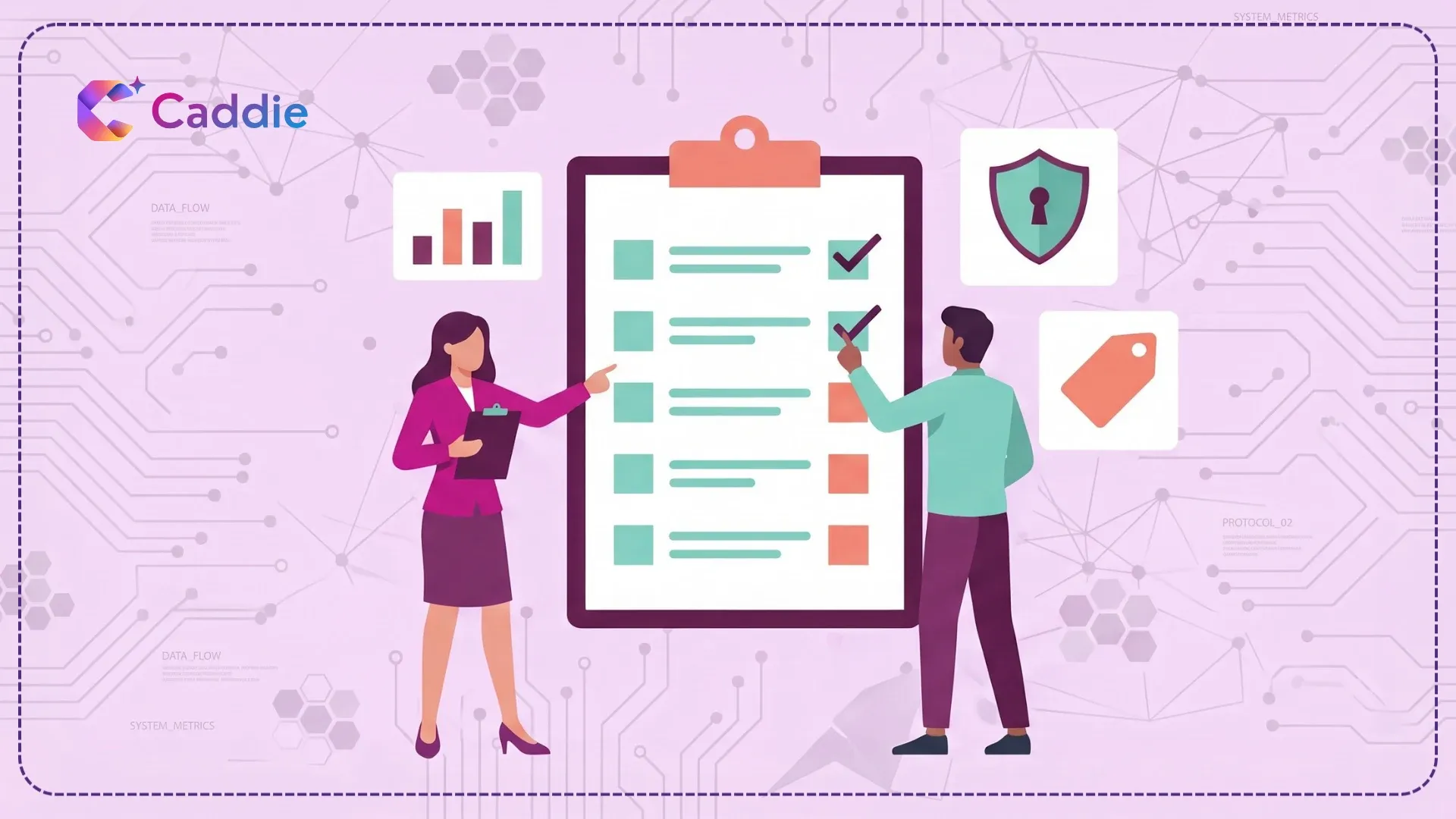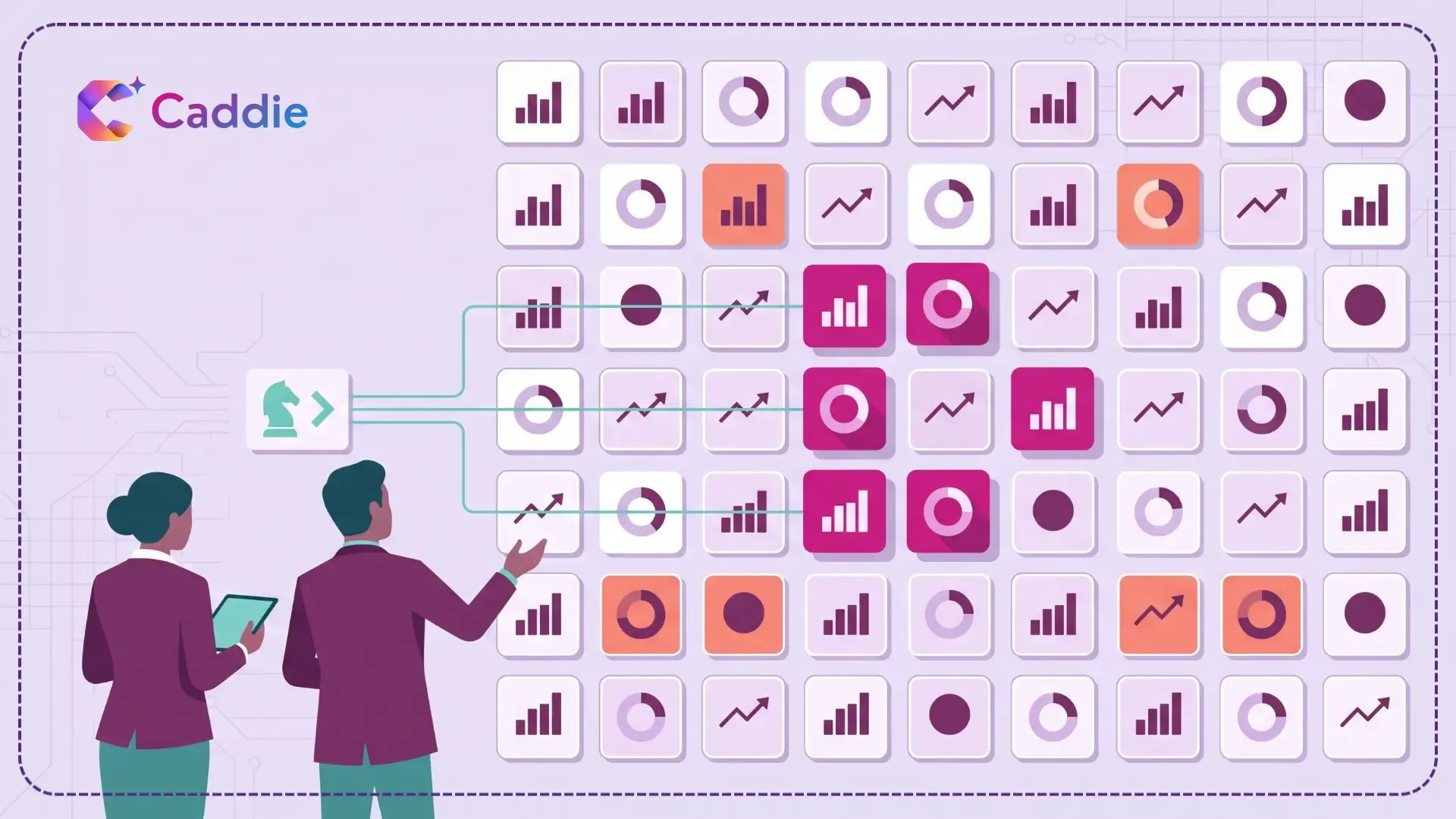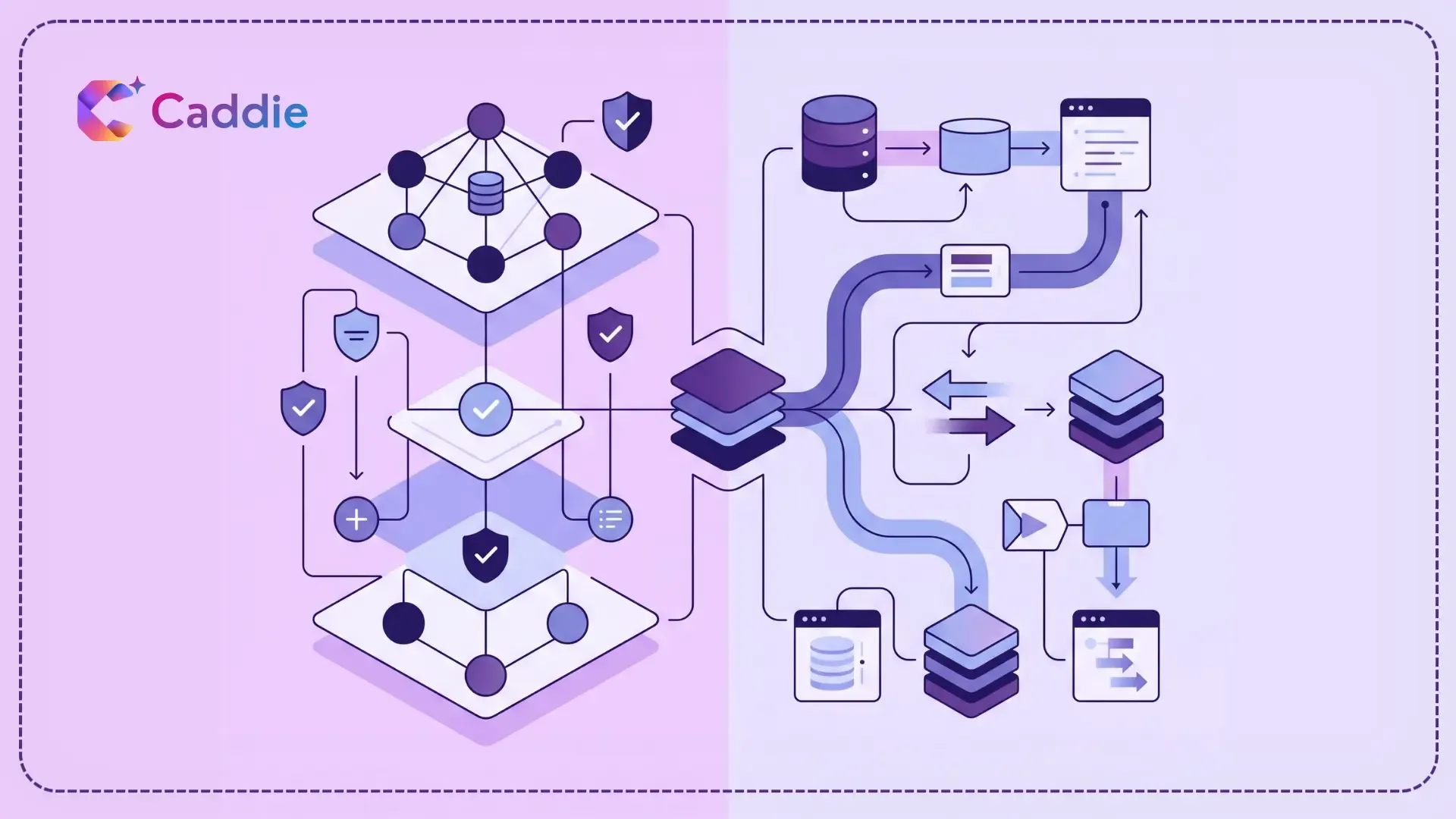
Data governance is the strategic blueprint that sets the rules and policies for your data, while data management is the actual execution of collecting, storing, and using it. If you work with data, you have probably heard these terms thrown around in meetings, often interchangeably. However, treating them as the exact same thing is a common mistake that can lead to messy, disorganized systems.
Here is the quick summary: Governance is your blueprint and rulebook, while management is the actual construction and daily operation. You cannot build a sturdy house without both.
If you are looking for a deep dive into the foundational rules, policies, and frameworks, be sure to check out our complete guide on What is Data Governance? But if you want to understand how the rules compare to actual execution, you are in the right place. Let’s break down the exact difference between data governance and data management, and show you why your business needs both to succeed.
What is Data Management?
Since we have already covered the strategic side in our dedicated governance post, let’s look closely at the execution side. Data management is the practical, technical process of collecting, keeping, and using your data securely, efficiently, and cost-effectively.
If governance is the law, management is the police force and the infrastructure that upholds it. It involves the actual tools, software, and daily tasks required to make sure your data is available and usable for your team.
There are a few key pillars that make up your everyday data management:
Data Architecture and Modeling
This is the structural design of your data systems. It is the process of deciding where your data will live (whether in a cloud data warehouse or a local server) and how different databases connect to each other.
Database Operations and Storage
This is your day-to-day heavy lifting. It involves the physical or cloud storage of information, ensuring that your databases are running smoothly, backing up files so nothing is lost, and making sure the system doesn't crash when too many people try to use it at once.
Data Integration and Connection
Your business uses dozens of different software tools. Data management takes the information from your sales software, your marketing tools, and your customer support logs, and combines them into one unified view so you can actually analyze them.
Data Security (Execution Level):
While governance decides who should have access to sensitive information, management is the act of actually installing the passwords, encryption, and firewalls to keep hackers out of your systems.
Data Governance vs Data Management: The Head-to-Head Comparison
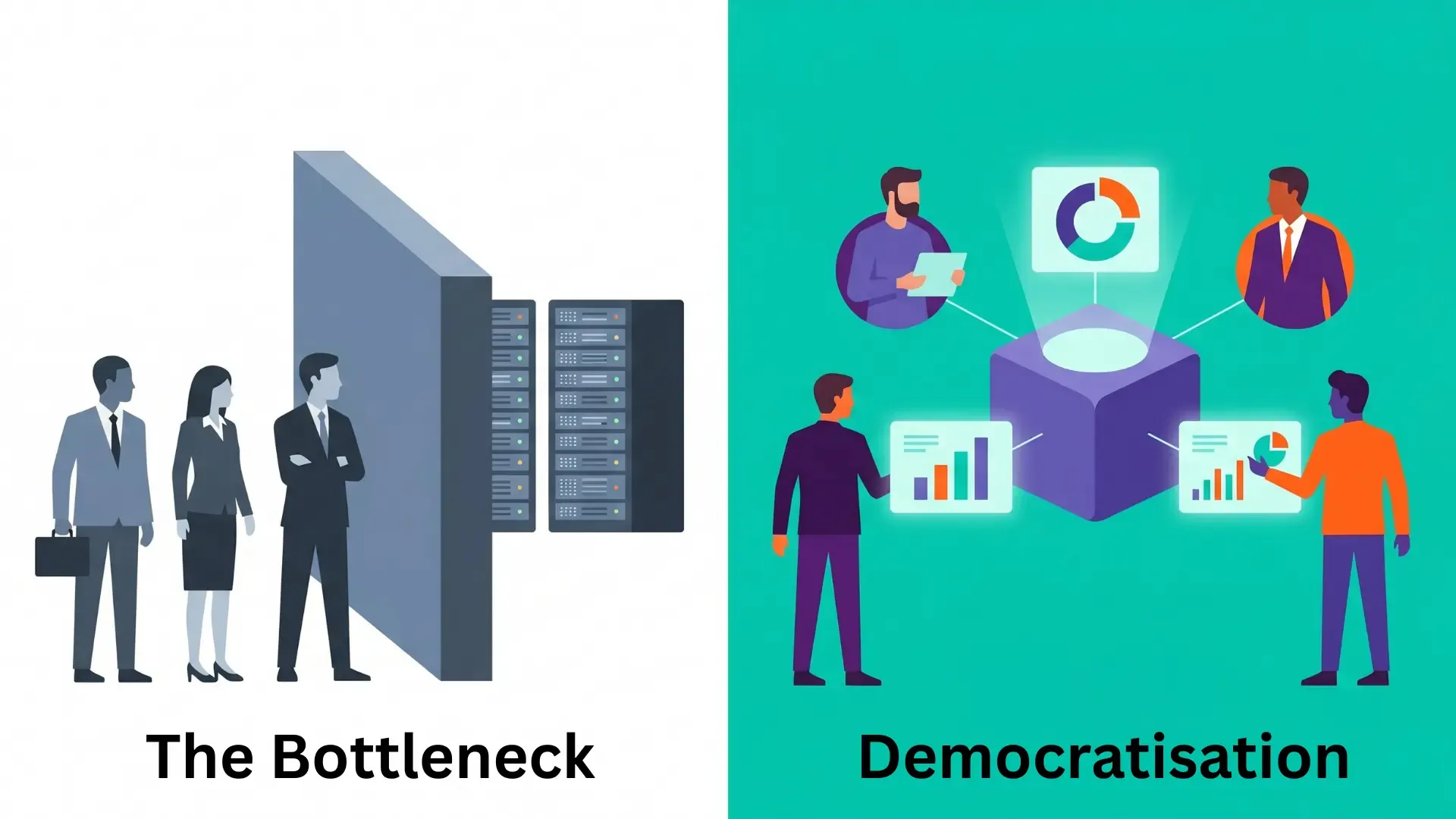
Now that you know what management entails, let's look at the direct contrast. Understanding data governance vs data management comes down to looking at three distinct areas: the type of work you do, the people doing it, and how you measure success.
Strategy vs. Execution
The most critical difference lies in the goal of the work. Governance is entirely strategic. It is about asking the big questions: What does "high-quality" data mean to your company? Who is legally allowed to see your customer emails? How long do you keep records before deleting them?
Management is entirely focused on execution. Once you set the strategy, your management team goes to work building the technical solutions. If governance says, "Customer emails must be kept private," management is the process of writing the code to mask those emails in your database.
People and Processes vs. Tools and Technology
When looking at data management vs data governance, you will notice very different types of employees involved in each.
Governance relies heavily on people and processes. It is usually run by your cross-functional committees, business leaders, and "data stewards" who understand the legal and business impacts of information. They write documents, hold meetings, and establish company-wide standards.
Management relies heavily on tools and technology. The people involved here are usually highly technical, database administrators, data engineers, and IT professionals. They spend their days on software platforms, writing code, moving data pipelines, and fixing broken servers.
Defining Success Metrics
You measure the success of data governance vs management in completely different ways.
For governance, you measure success by trust, compliance, and risk reduction. Are you passing your legal audits? Do your business analysts trust the reports they are looking at? Have you reduced the number of errors in your customer profiles?
For management, you measure success by technical performance. Is your database online 99.9% of the time? Are queries running quickly so your employees don't have to wait for reports to load? Are you keeping your cloud storage costs within the IT budget?
How Data Governance and Management Work Together
Despite their differences, it is a mistake to think of this as a competition. When it comes to data governance and data management, they must work in a supportive relationship. Good governance is useless without the tools to enforce it, and good management is dangerous if you have no rules guiding it.
Here is how they work together to power your modern business intelligence and analytics:
Real-World Scenario: Ensuring Data Quality
Imagine you want to improve your marketing campaigns, but your contact list is full of errors.
The Governance Role: Your governance committee decides that a "complete" customer profile must include a first name, a verified email address, and a zip code. They set the standard.
The Management Role: Your data engineering team writes an automated script that scans the database every night, flagging or deleting any profiles that are missing a zip code. They execute the standard.
Enabling Self-Service Analytics
You likely want your non-technical employees to be able to build their own reports without relying on IT for help every time.
The Governance Role: Creates a clear "business glossary," so your team agrees on what terms like "Monthly Recurring Revenue" actually mean, ensuring no one gets confused.
The Management Role: Implements an easy-to-use software platform or data catalog where your employees can use natural language query to quickly search for those trusted numbers and build their charts.
Which Should You Prioritize First?
When scaling your company's data operations, balancing data governance and management can feel like a chicken-and-egg problem. Which comes first?
In reality, you will almost always start with management. You have to store your data somewhere (like a basic spreadsheet or a small database) before you can start making rules about it. However, as your business grows, simply storing data is no longer enough. If you try to scale your management tools without setting up governance rules first, you will end up with a chaotic, expensive, and unusable "data swamp."
You cannot effectively manage what you haven't governed. As soon as multiple departments start relying on your databases, governance must become the priority to guide your management efforts.
Conclusion
Understanding the dynamic between data governance and management is your first step toward building a data-driven culture. Governance gives you the rules, the definitions, and the strategy to keep your information safe and accurate. Management gives you the architecture, the storage, and the technical power to actually put that information to work. You cannot function optimally without both.
Frequently Asked Questions (FAQ)
What is the main difference between data governance and data management?
The core difference between data governance and data management is strategy versus execution. Governance sets the legal and quality rules for your information, while management builds the technical systems to follow them.
When comparing data governance vs data management, who does the work?
In the data governance vs data management breakdown, different teams are involved. Governance relies on business leaders and data stewards, while management is handled by technical experts like engineers and database administrators.
Which should you prioritize first: data management vs data governance?
You will usually start with basic management just to store early files. However, to scale safely, balancing data governance and management is vital. Governance must become your priority as soon as your business grows.
Can a business succeed without combining data governance and data management?
No, you cannot build a sturdy system with just one piece. Good data governance and data management must work together. Governance needs technical enforcement, and management requires a strategic rulebook to stay organized.
How do you measure success for data governance vs management?
You measure data governance vs management completely differently. Governance success looks at business trust, compliance, and risk reduction. Conversely, management success focuses entirely on technical performance, like fast load times and database uptime.