Data democratization is a strategy that breaks down technical barriers, giving you direct access to the information you need to make fast, accurate decisions. Instead of waiting on busy data analysts or submitting help tickets, you can easily find, understand, and use secure company data, regardless of your technical background.
In most companies, data is treated like a rare, special resource. It stays at the very top with technical teams. It slowly and incompletely trickles down to the people who need it most: people like you, the managers, operators, and decision-makers dealing with business problems in real time.
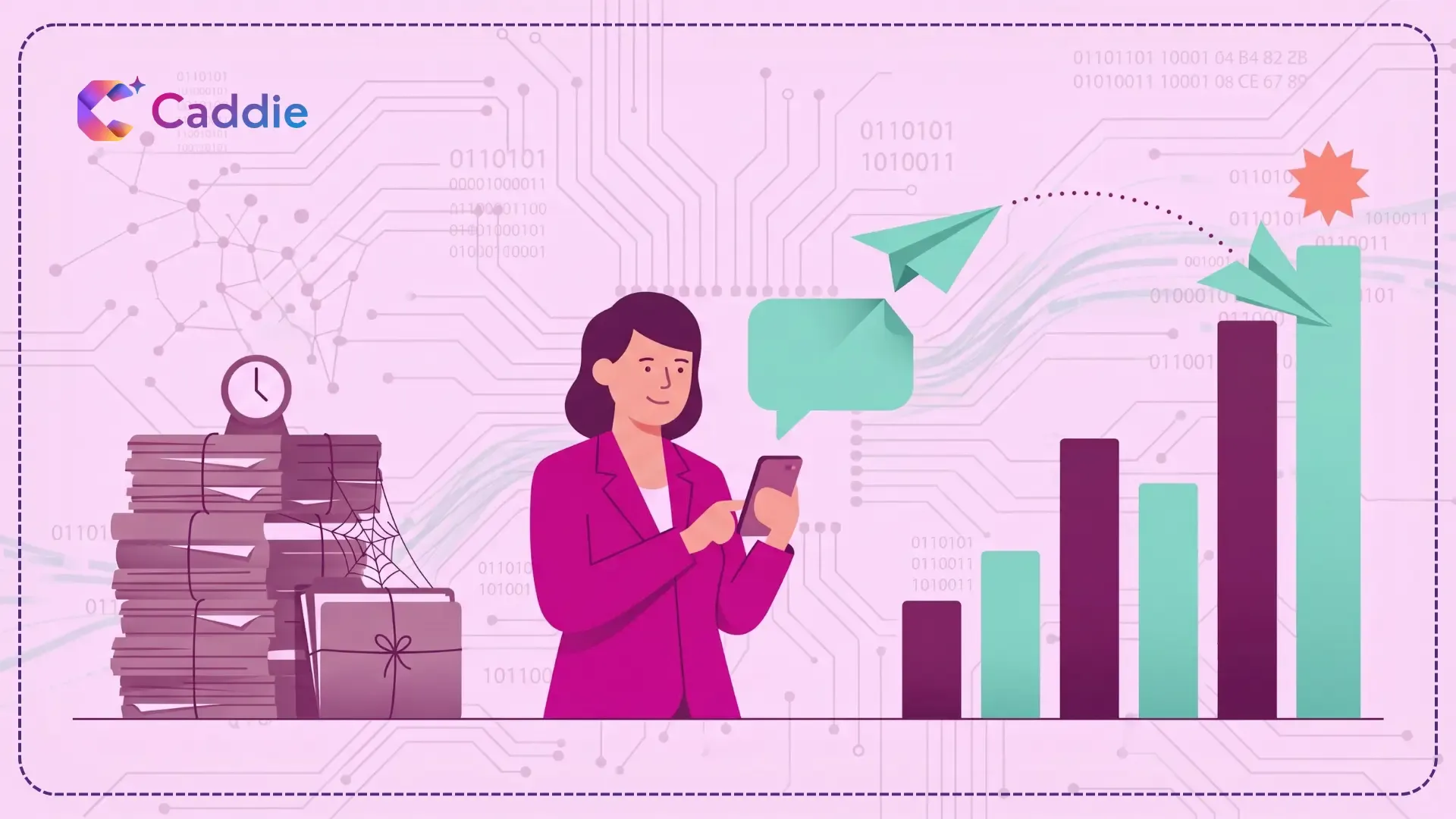
Imagine you are a sales director wondering why your team's win rate dropped. You have to ask the data team, wait around, and hope they actually understood your request. Or maybe you are a supply chain manager dealing with inventory issues, but you have to rely on a weekly report that uses three-day-old data. If you are a product manager checking which features keep users coming back, you have to submit a help ticket and wait in line behind everyone else.
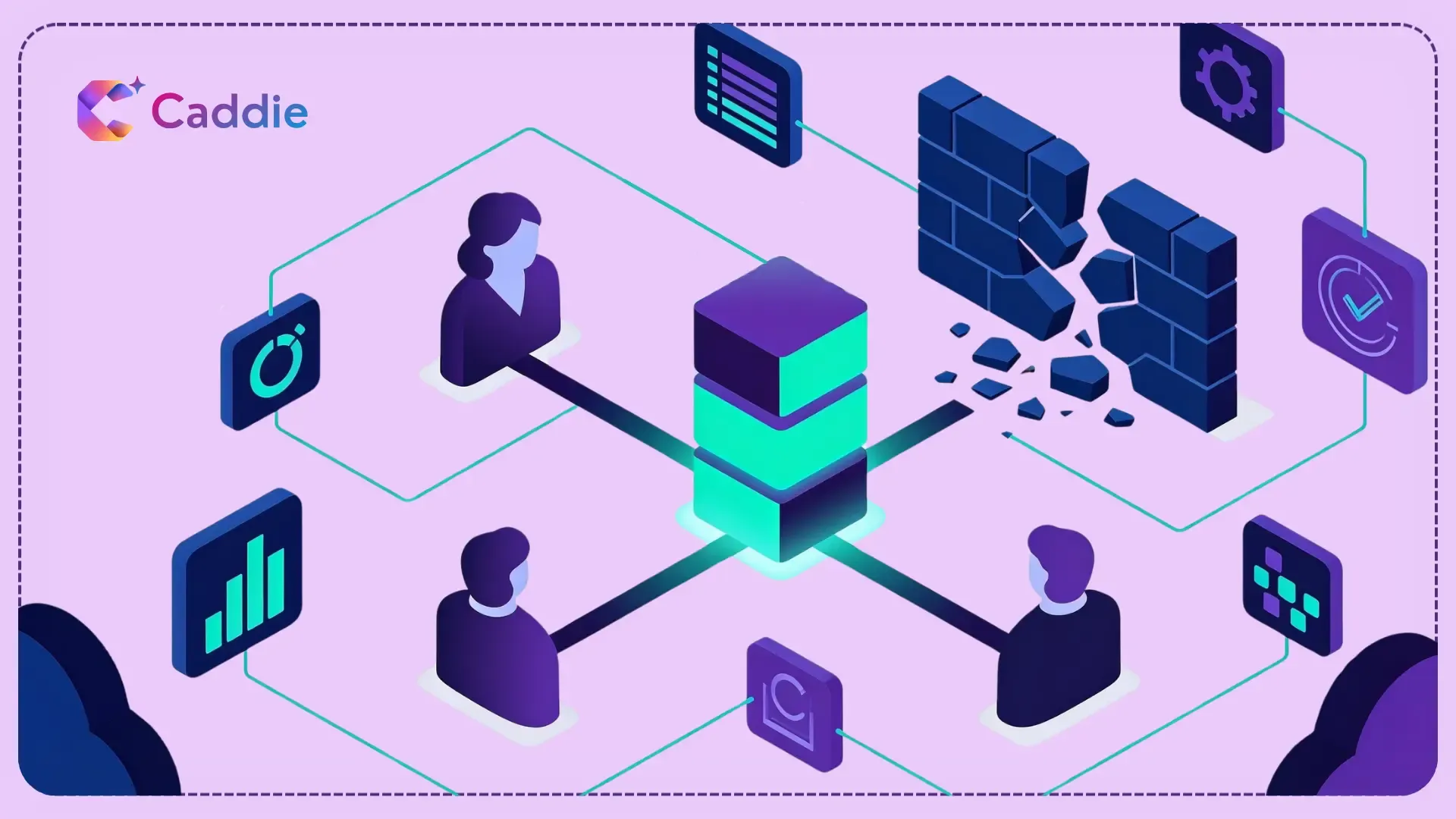
Data democratization aims to fix this exact problem. It makes data easy to access for everyone in your company who needs it, not just the technical experts. The goal is not to get rid of data specialists or give everyone full access to all company data. Instead, it is about removing the roadblocks that stop business-savvy people like you from getting data fast enough to make quick decisions.
What Data Democratization Actually Means
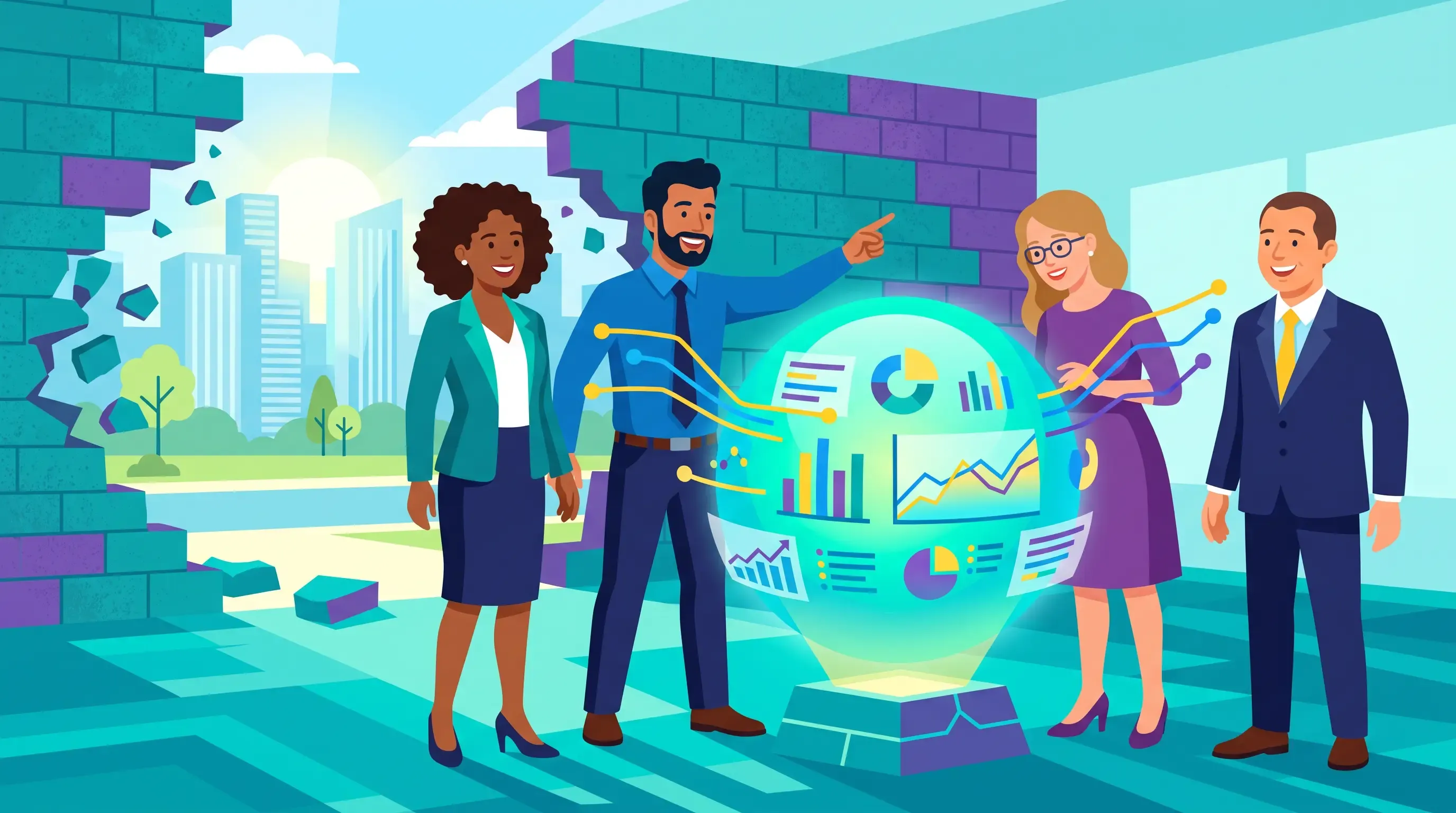
Data democratization means that if you need data to make a decision, you can get it. The data will be accurate, relevant, and secure. You will get it in a format you can easily understand, without needing technical training, middlemen, or days of waiting.
Data democratization has three essential parts:
Any person who needs data
This is not about giving access to just a few more technical people. It is about completely removing the technical barriers. The only thing that should matter is whether you have a real business need for the data, not whether you know SQL coding or have analyst skills.
Accurate, relevant, governed data
Giving out data without rules creates new problems. You might see conflicting numbers across departments, unauthorized people viewing private data, and a loss of trust in the numbers. True data democratization always comes with strong data governance. This means you have a system in place so everyone uses the same definitions, high-quality standards, and safe access limits based on their job role.
In a form you can understand
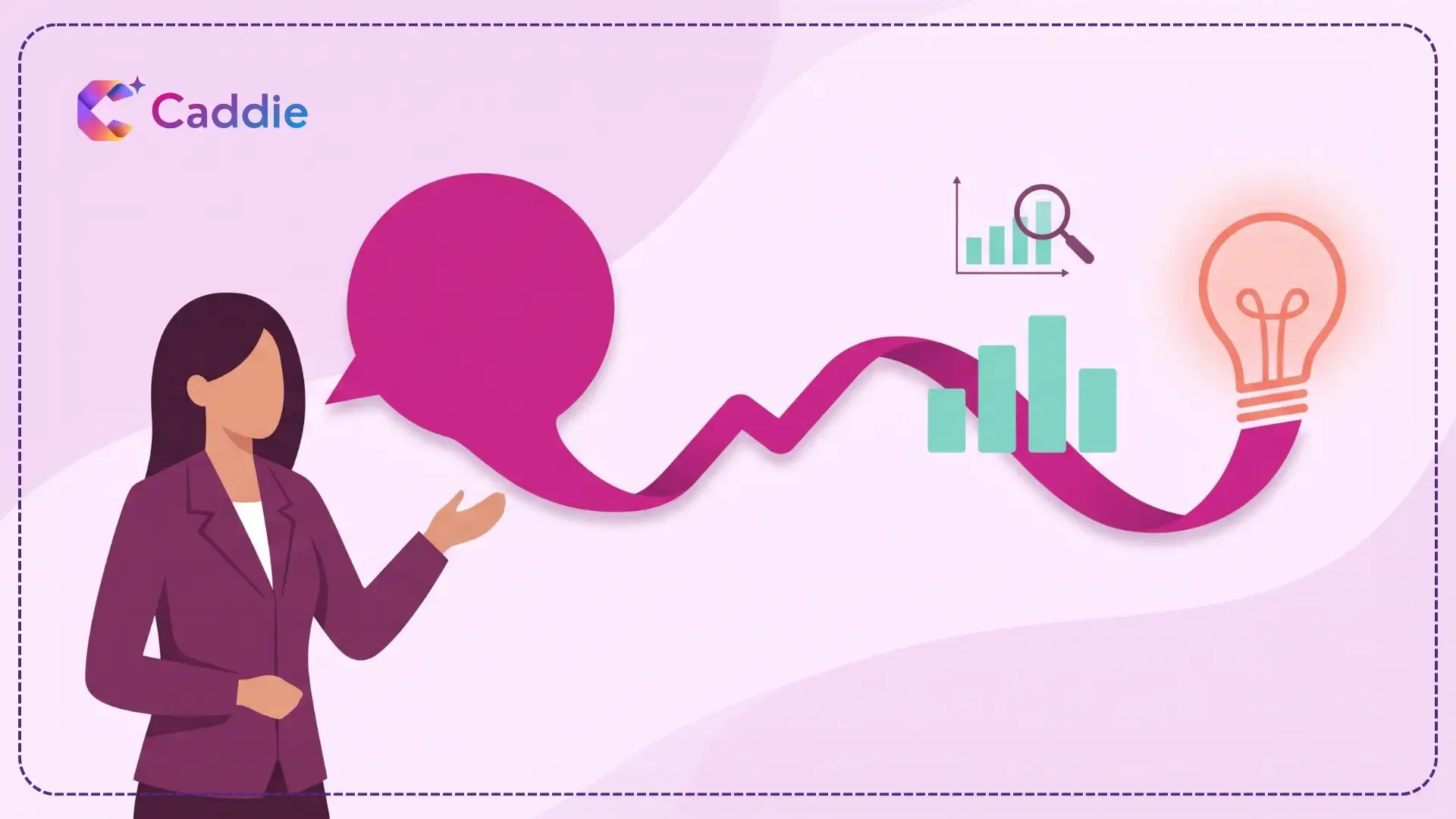
Giving you access to a raw spreadsheet of database numbers is not helpful. Data democratization gives you tools that turn technical data into simple formats. This includes natural language query, visual dashboards, and AI-generated text summaries. How you look at the data is just as important as getting access to it.
Why Data Democratization Has Become A Strategic Priority
The Cost Of Centralized Analytics Is Piling Up
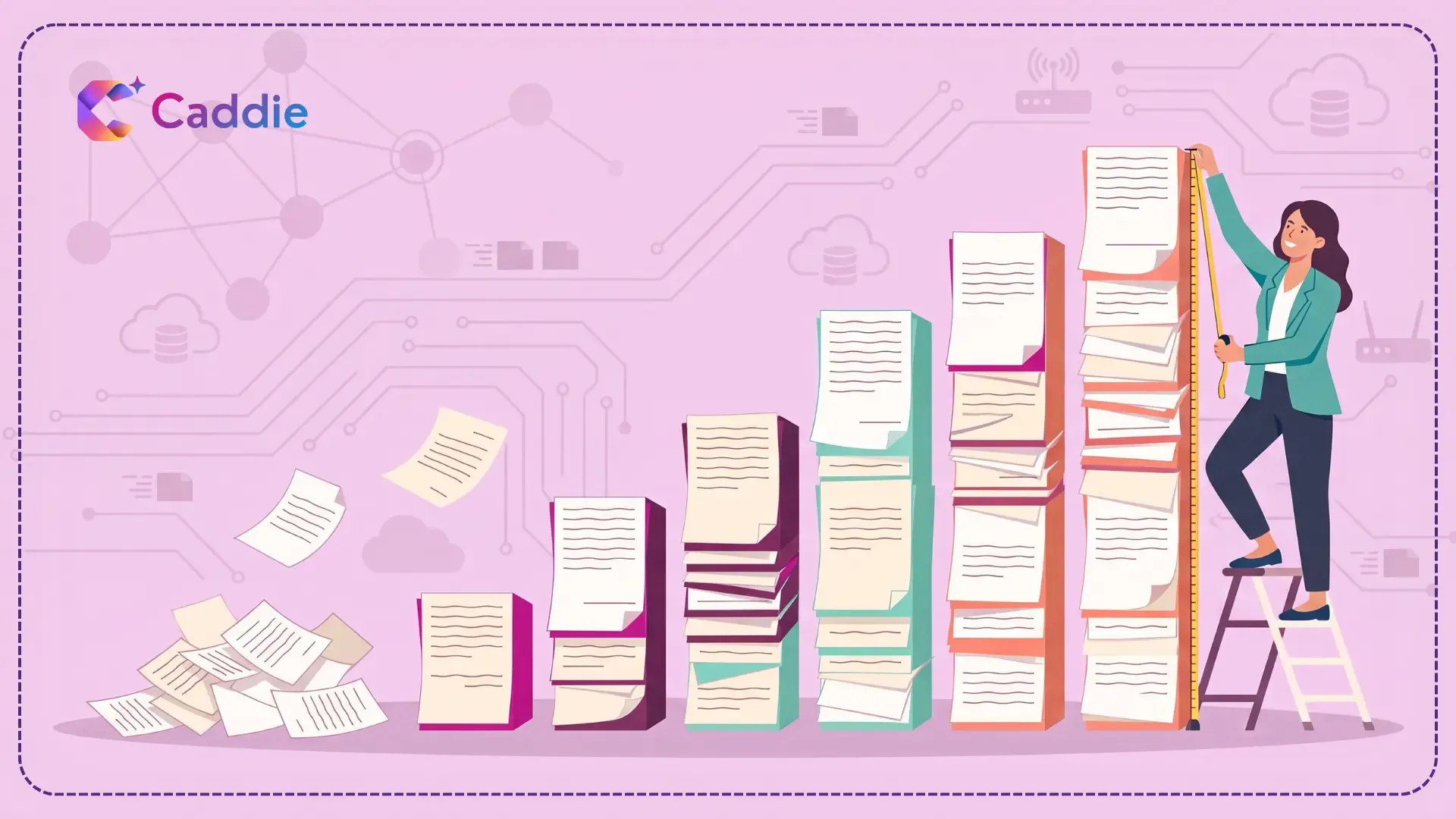
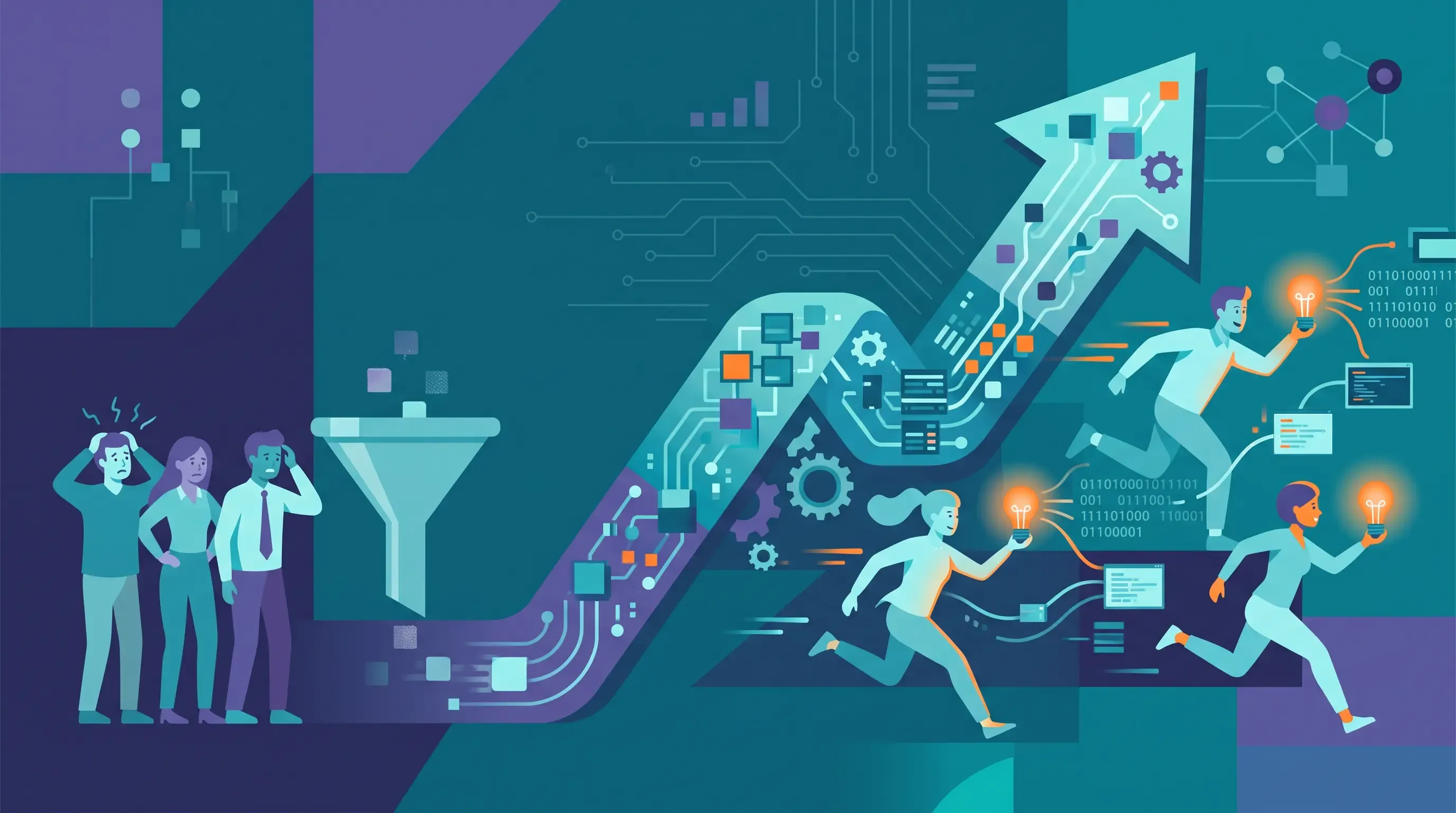
When your company sends all data questions to one central team, the costs pile up. As you make more decisions, you need more data. Sending all this through one bottleneck creates a huge backlog. Your company cannot hire analysts fast enough to keep up with the demand. The best solution is a self-service analytics platform that lets you answer your own questions. The strategy is data democratization; self-service analytics is how you actually do it.
AI Has Made Non-Technical Data Access Possible
In the past, data democratization failed because the tools still required you to have technical skills. More recent tools didn't require SQL coding, but they still forced you to learn complicated new software. Now, natural language processing changes everything. You can ask a data question just like you are talking to a coworker. You use plain English and don't need to know how the data is built. This removes the technical barrier completely. Because of this, rolling out data democratization across your company is finally possible in a way it simply was not five years ago.
Data-Driven Culture Requires Data-Accessible Infrastructure
Your company probably wants to be "data-driven." This means making decisions based on facts instead of just gut feelings. But you cannot achieve this if only a few technical people can access the data. A data-driven culture means decision-makers like you must have the data in your hands. Data democratization provides the basic setup you need to build that culture.
The Risks of Data Democratization Done Wrong

Data democratization is great, but it brings real risks if you do it without the right rules in place. You need to understand these risks to do it right.
The Metrics Inconsistency Problem
If you and your coworkers pull data from different places, use different date ranges, or apply different filters, you will get mismatched numbers. Imagine a CFO and a Sales VP walking into a meeting with two completely different revenue numbers drawn from the exact same company data. This happens a lot when companies give access without creating a single source of truth.
The fix is a governed metrics layer. This is a central set of rules built into the platform. It ensures that when you ask about revenue or churn, you get the exact same number as anyone else asking the same question.
Data Privacy and Compliance Risk
Giving out too much access without controls opens your company up to legal risks like GDPR, CCPA, and sector-specific rules. It means people might see data they shouldn't, like private employee records, customer financial details, or secret company strategies.
To fix this, you need role-based access controls built directly into the data. This means you get broad access, but only within the safe boundaries of your job role and the data's privacy level. The rules define your boundaries, and the platform enforces them for you automatically.
Data Literacy Gaps
Just having data does not mean you will always make good decisions. If you mix up the cause and effect, look at too small of a sample, or forget about seasonal trends, your data-backed decision might be worse than your gut feeling.
This is why you need to pair democratization with data literacy. You do not need to become a math expert, but you do need critical thinking skills to read the data right. AI-generated summaries help here by giving you context. They explain exactly what a number means, and just as importantly, what it does not mean.
A Data Democratization Strategy: What It Actually Requires
1. Define What Access Looks Like at Each Level
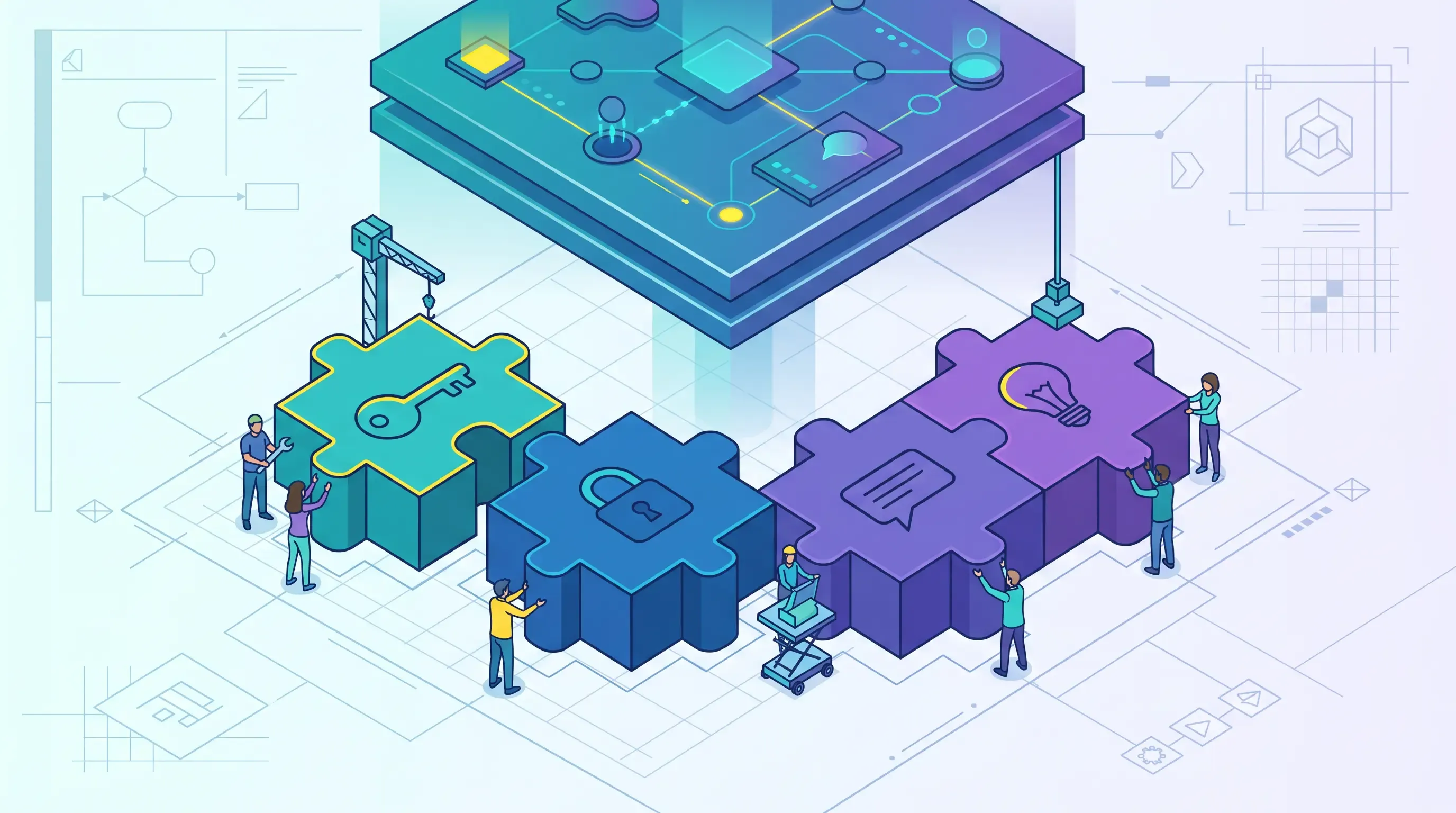
Data democratization does not mean you get the exact same access as the CEO. A good strategy defines what data you need based on your specific job level. Your access is based on your responsibilities and how sensitive the data is, not on your technical skills.
2. Establish Governance Before Expanding Access
A huge mistake is giving everyone access before setting up the rules. This leads to conflicting numbers, privacy risks, and a loss of trust that is hard to win back. Your company must set up definitions, access limits, and quality standards first, before opening the doors to you and your team.
3. Choose Interfaces That Match the User, Not the Data
The tool you use to see the data decides if this whole process works. If a tool requires technical skills, it brings back the very problem it tried to fix. Platforms built on natural language and conversational analytics meet you where you are. You ask questions naturally and get answers that explain exactly what the data means.
4. Enable the Use Case Before Promoting the Platform
You are more likely to use a new data tool if it solves a specific problem for you right now. If you are a sales leader and see that you can instantly answer "which of my accounts might cancel?," you will use the tool. If someone just shows you a long demo of every feature, you probably won't.
The best approach starts with the exact decisions that matter most to your daily job. When a tool is built around your specific needs, you are much more likely to actually use it.
5. Measure Adoption, Not Just Access
The job is not done just because you have login access. It is only successful when you actually use it to ask questions, make faster decisions, and get better results. By measuring how often you use the tool and how quickly you get answers, your company can see if the strategy is actually working and where to improve next.
Conclusion

Data democratization is no longer just an industry buzzword; it is a necessity for staying competitive. By removing technical barriers, you empower yourself and your team to make faster, smarter decisions without relying on a centralized analytics bottleneck. While the risks of mismatched metrics and privacy breaches are real, a strong foundation of data governance ensures your information remains secure and accurate. Tools like Caddie bridge the gap, transforming raw numbers into clear, actionable insights using plain English. When you equip everyone with the right data at the right time, you build a highly resilient, agile, and data-driven company culture.
Frequently Asked Questions (FAQ)
What are the benefits of data democratization?
The biggest benefits are faster decisions because you don't have to wait for the data team to answer your questions. It also makes your whole organization more efficient and removes the bottleneck on your analysts. As a bonus, it helps you and your coworkers get better at understanding data and makes everyone more accountable for their results.
What are the risks of data democratization?
The main risks include mismatched numbers (you and a coworker getting different answers for the same question), privacy issues (people seeing sensitive data they shouldn't), and misinterpreting the data. You can easily manage these risks with the right rules, access limits, and AI tools to help explain the data. But your company has to set these up early on.
What is the relationship between data democratization and data governance?
They work together like a team. Governance sets the rules, like definitions and security limits. Democratization gives you the access. If you have access without rules, you get messy data and privacy risks. If you have rules without access, the data stays locked away. A great data strategy uses both at the same time.
How do you build a data democratization strategy?
A strong strategy defines what data you need for your specific job level. It sets up the security rules before giving you access. It uses tools designed for non-technical people like you. It introduces the tool by showing how it solves your biggest daily problems. Finally, it measures if you are actually using it to make better decisions, instead of just checking if you have a login.
What is self-service data analytics?
Self-service data analytics gives you the power to find, search, and analyze your company's data all by yourself, without needing IT support. It is the actual tool you use to make data democratization happen in your daily work. Features like natural language search and AI summaries are what make this easy for anyone to use, even without technical skills.