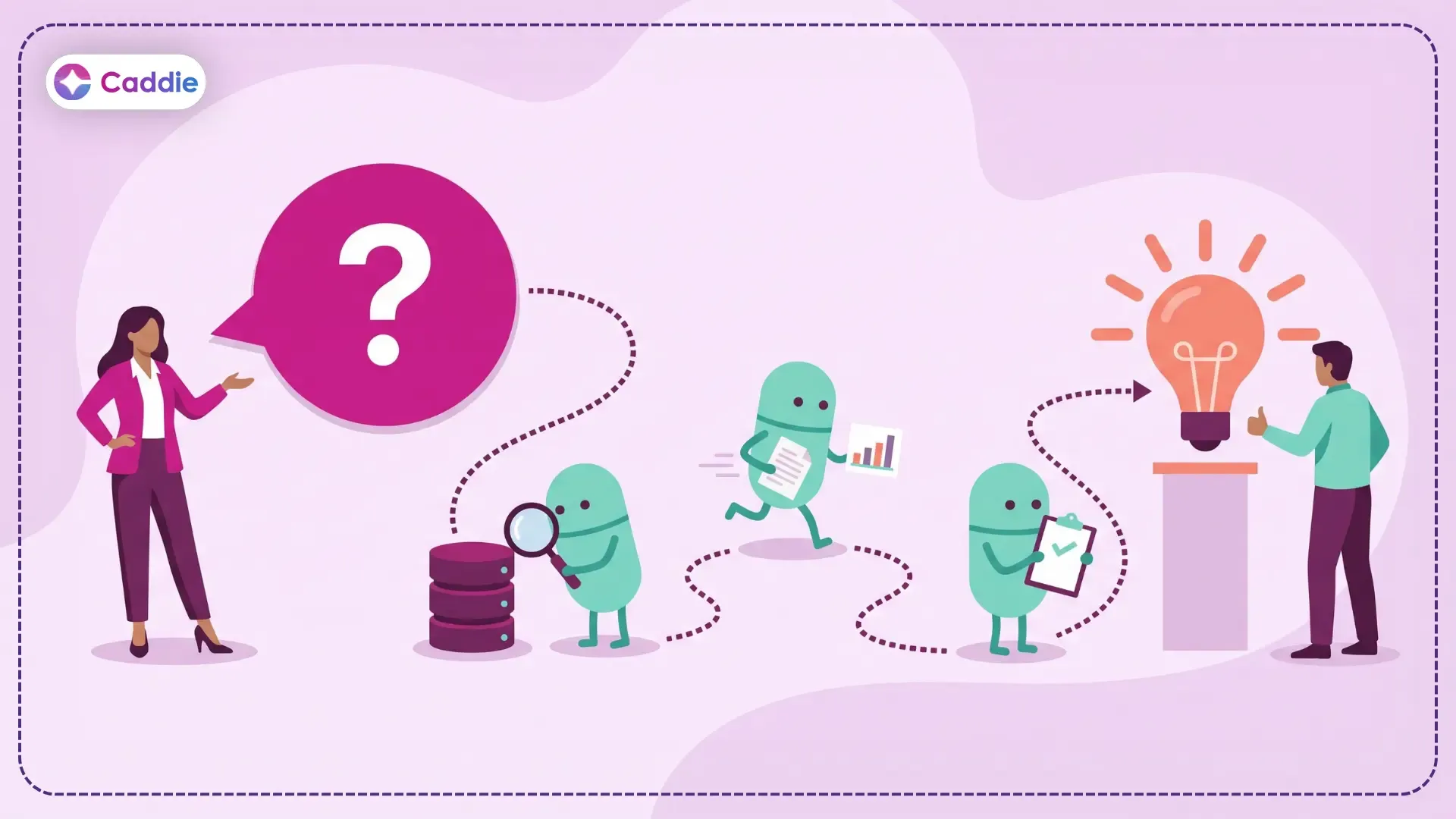
You ask a simple question on Monday: why did revenue dip in the Northeast last month? By Thursday, you finally have an answer. Not because the question was hard, but because it sat in an analyst's queue behind dozens of other requests and bounced between systems before anyone could explain it.
Sound familiar? Most organizations have more data than ever, yet getting a clear answer still feels slow. Static dashboards show you what happened. They rarely tell you why, and they never tell you what to check next.
That's the gap agentic analytics is built to close. Instead of waiting for you to click through charts or file a report request, AI agents take your question, plan the analysis, pull data from the right sources, and come back with an explanation you can act on.
In this guide, you'll learn what agentic analytics is, how it works, how it compares to the analytics you already use, and what to watch for before you adopt it.
What Is Agentic Analytics?
Here's a simple agentic analytics definition: it's an approach to data analysis where AI agents carry out multistep analytical work toward a goal you set. You describe what you want to understand, and the agent figures out how to get there. It decides which data to pull, which calculations to run, and which follow-up questions to ask along the way.
The word "agentic" is the key. Earlier AI tools in analytics mostly responded to a single prompt. You asked a question, and they returned a chart or a number. Agentic AI for data analytics goes further. It can break a broad question into smaller tasks, run them in sequence, review its own results, and adjust its approach if something looks off.
Think of the difference between a calculator and a sharp analyst. A calculator gives you exactly what you type in. An analyst hears "Why are margins slipping?" and starts digging into product mix, regional pricing, supplier costs, and discount trends until a clear story emerges.
Agentic analytics builds on conversational analytics, which lets you ask questions in plain language. The conversation is still the interface. What changes is what happens behind it: a set of AI agents doing the investigative legwork that used to require a specialist.
Most importantly, you stay in control. A well-designed agentic analytics platform explains how it reached its conclusions, shows its sources, and leaves the final decision with you.
How Agentic Analytics Works
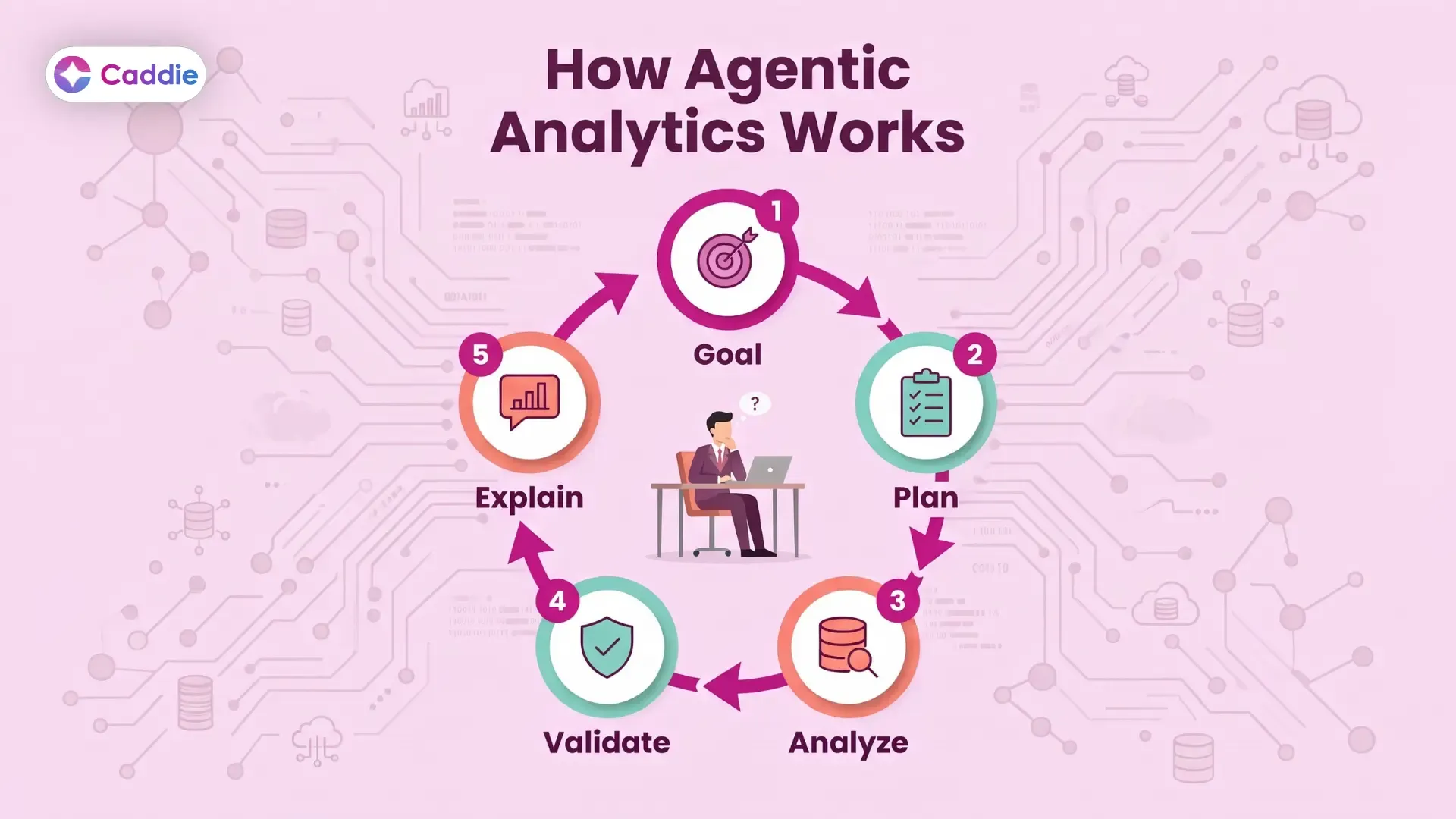
Under the hood, most agentic analytics systems follow a similar loop. Here's what happens after you ask a question.
1. It Understands Your Goal
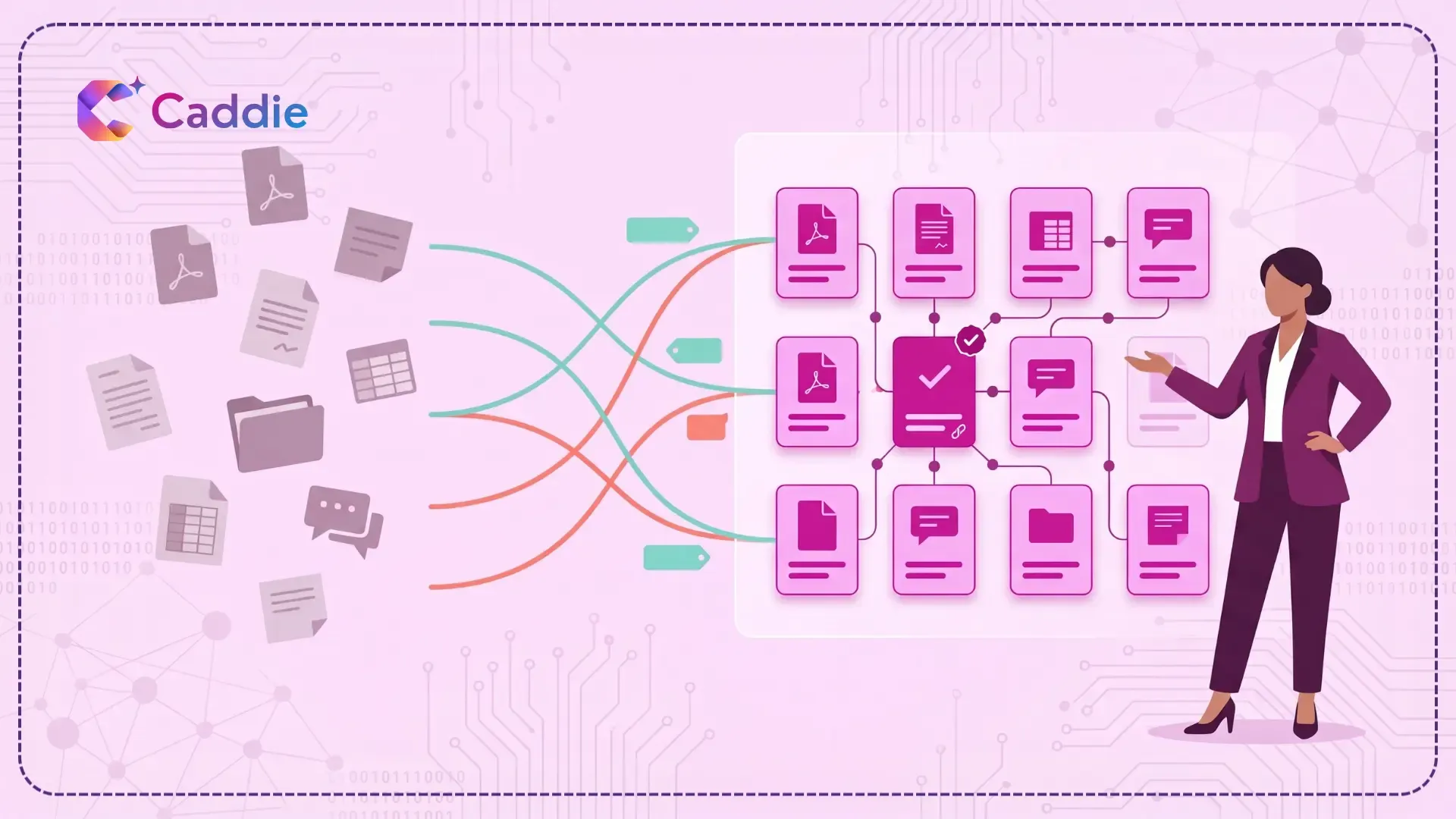
The agent interprets your request in business terms. "How did the spring campaign do?" becomes a set of measurable questions about revenue, conversion, and cost per acquisition. A semantic layer, which maps business terms to the underlying data, helps the agent understand what "revenue" or "active customer" means in your organization.
2. It Plans the Analysis
Next, the agent breaks the goal into steps. It decides which data sources to query, in what order, and which comparisons will actually answer your question.
3. It Gathers and Analyzes Data
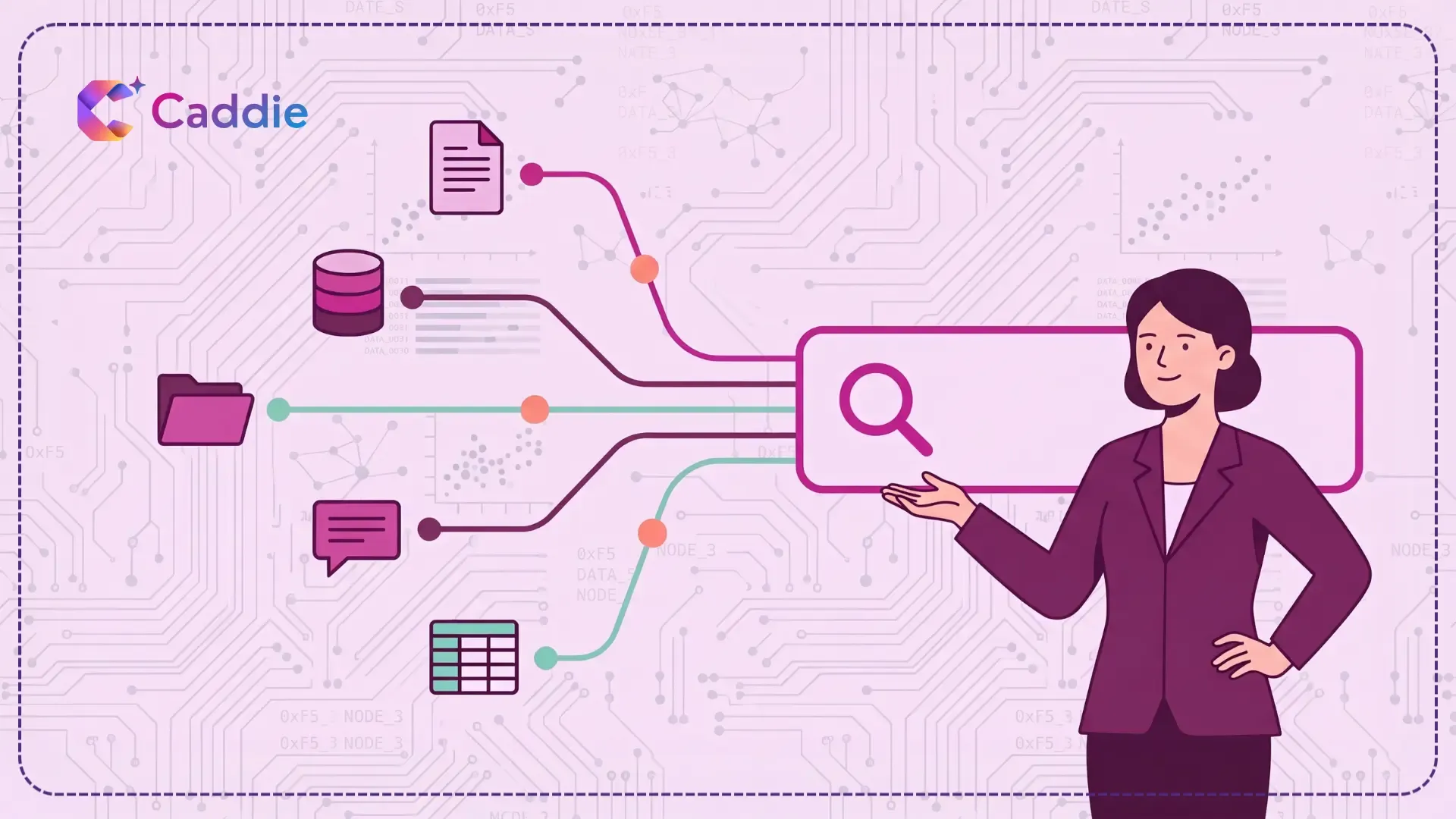
The agent queries databases, spreadsheets, and sometimes documents, then runs the calculations. If one result raises a new question, such as a sudden drop in one region, it follows that thread instead of stopping at the first answer.
4. It Validates Its Findings
Good agents check their own work. They cross-reference numbers, flag gaps in the data, and note where confidence is low. When the data can't support an answer, the best ones tell you so instead of guessing.
5. It Explains and Recommends
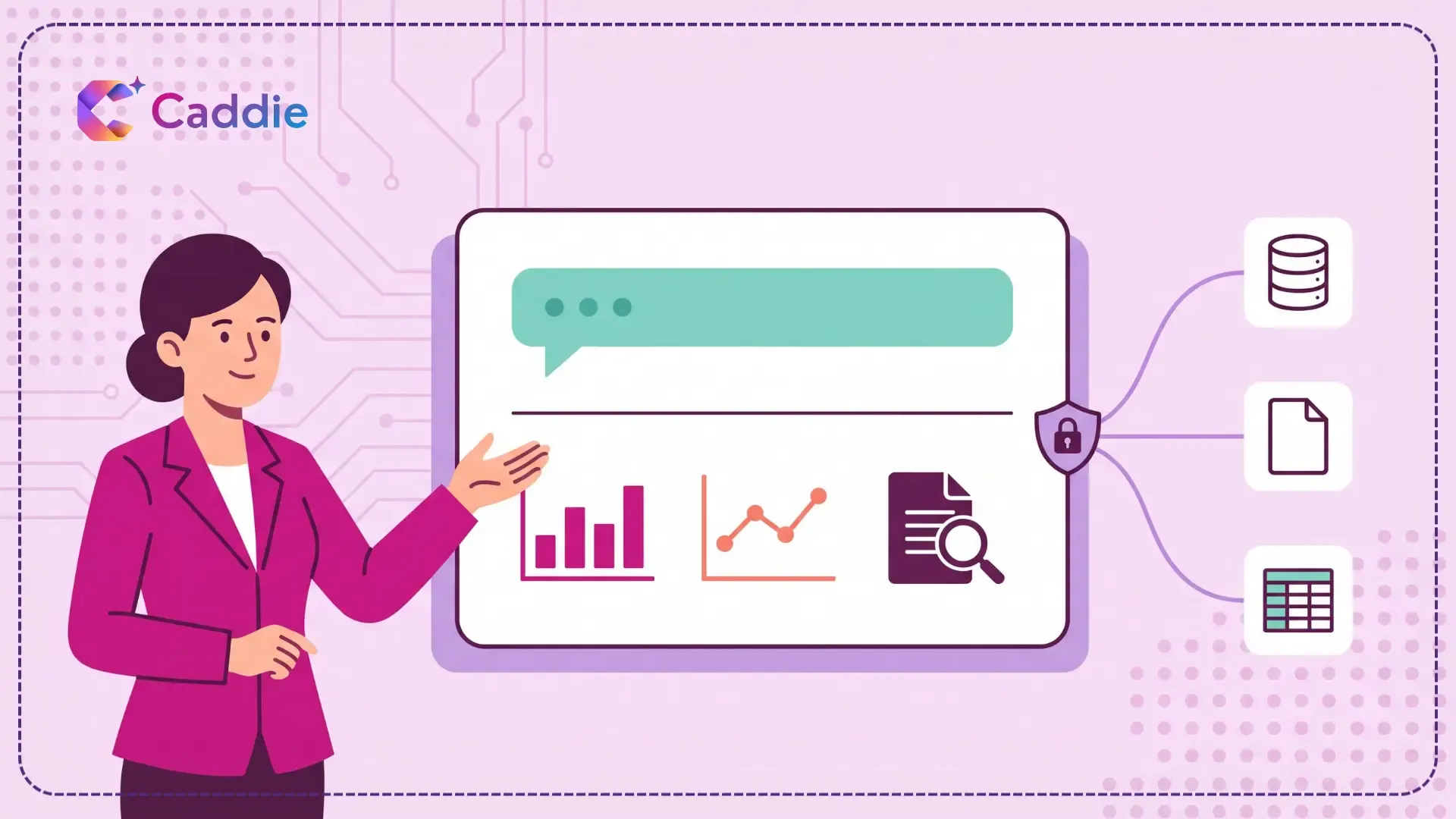
Finally, you get a plain-language summary with supporting charts, the reasoning behind the findings, and suggested next steps. You decide what to do with them.
Agentic Analytics vs. Traditional BI Tools
The easiest way to see what's new is to look at who does the work.
With traditional BI, you do most of it. Someone builds dashboards in advance, and you explore them, apply filters, and interpret the results. When a question falls outside the dashboard, you file a request and wait.
Augmented analytics took a step forward by using machine learning to surface patterns, anomalies, and automated insights. It helps you notice things faster, but you still drive each step of the investigation.
Agentic analytics shifts more of the investigation to the system. You set the goal, and the agents plan and execute the analysis, then return with findings and context. Your role moves from operator to reviewer and decision-maker.
Here's a quick way to remember it:
- Traditional BI shows you what happened.
- Augmented analytics points out what's worth noticing.
- Agentic analytics investigates why it happened and suggests what to consider next.
Most organizations will run all three side by side.
Benefits of Agentic Analytics
Here's what changes when agents handle the analytical legwork.
Faster Time to Insight
Questions that once took days of back-and-forth get answered while there's still time to act on them. That matters when you're in the middle of a quarterly review or a pricing decision and can't wait for next week's report.
Fewer Analyst Bottlenecks
When business users can investigate questions on their own, analysts get time back for complex modeling and strategic projects. It's the natural next step for self-service analytics: not just access to data, but help analyzing it.
Proactive Insights
Some agentic analytics tools monitor key metrics and alert you when something shifts, so you hear about a problem before it shows up in a monthly report.
Better-Informed Decisions
Because agents explain their reasoning and show their sources, you get context alongside the numbers. That makes it easier to defend a decision in front of your leadership team.
Industry analysts expect this shift to move quickly. Gartner predicts that by 2027, 50% of business decisions will be augmented or automated by AI agents for decision intelligence. The same guidance stresses using these agents with effective governance and risk management.
Examples of Agentic AI in Analytics
Here's how agentic analytics plays out across different teams.
Finance
A CFO asks why operating expenses rose this quarter. The agent compares spending by department, isolates the categories driving the increase, and highlights which ones were planned and which weren't.
Sales
A sales leader asks which deals are at risk this month. The agent reviews pipeline activity, deal age, and engagement patterns, then flags opportunities that look similar to past losses.
Operations
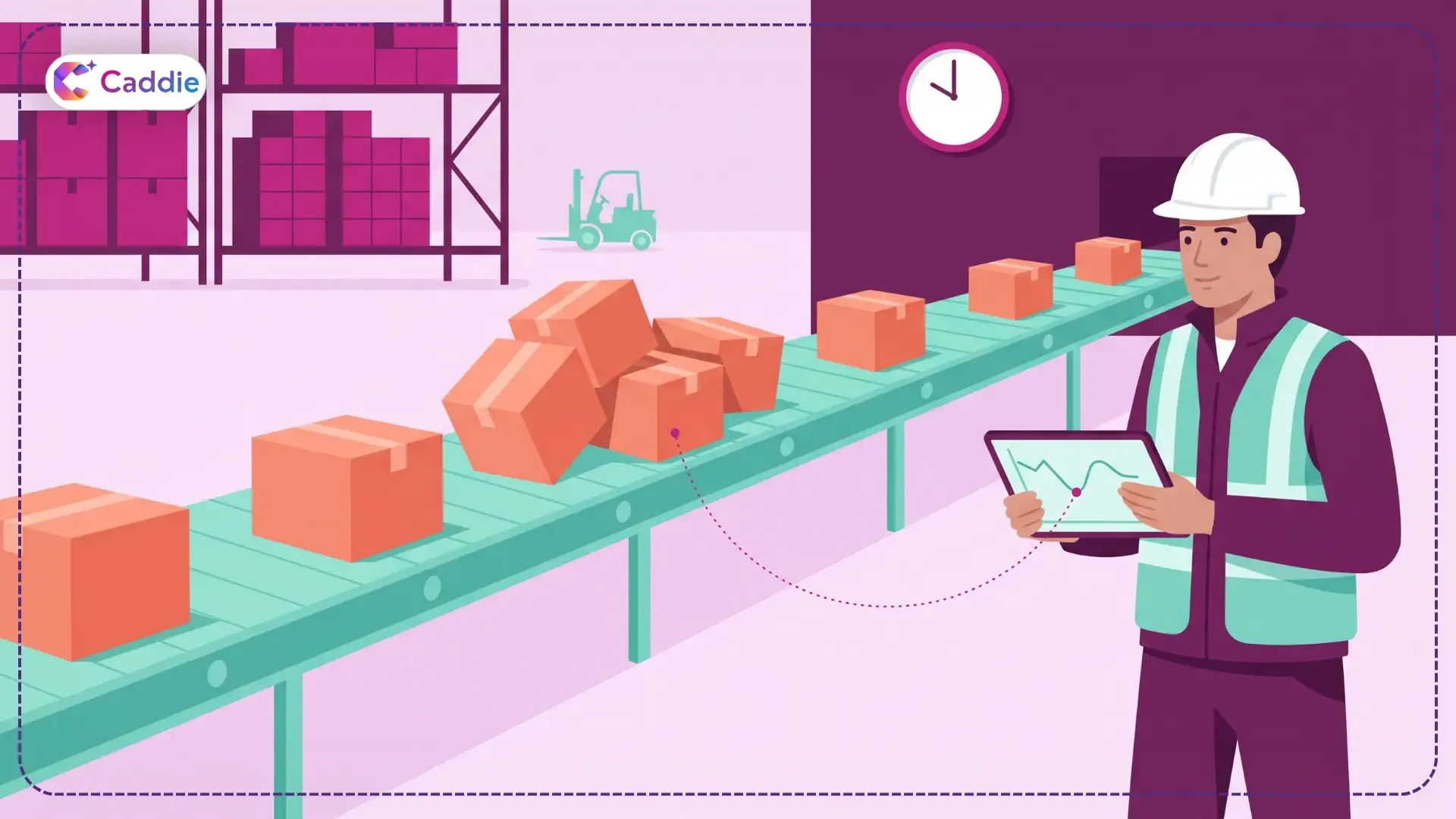
An operations head asks why delivery times slipped. The agent connects shipment data, warehouse records, and supplier updates to pinpoint where the delays start.
Customer Success
A customer success manager asks which accounts might churn. The agent combines usage trends with support tickets, call notes, and other unstructured data to surface early warning signs. In each case, the agent investigates and a person decides.
Challenges to Plan For
Agentic analytics is powerful, but it isn't magic. Plan for these hurdles early.
Data Quality and Consistent Definitions
An agent is only as reliable as the data and definitions it works with. If "revenue" means three different things across your ERP, your CRM, and a team spreadsheet, the agent will struggle too. Invest in clean data and shared business definitions first.
Governance and Access Control
Agents that can query many sources need clear boundaries. Who can ask what? Which data can each user see? A strong AI governance framework ensures agents respect the same permissions your people do.
Trust and Transparency
If you can't see how an agent reached a conclusion, you won't act on it. Look for tools that show their steps, sources, and assumptions.
Hype vs. Real Value
Not every product labeled "agentic" delivers. Gartner predicts that over 40% of agentic AI projects will be canceled by the end of 2027, due to escalating costs, unclear business value, or inadequate risk controls. Start with specific, high-value use cases rather than broad experiments.
How to Get Started With Agentic Analytics
You don't need to overhaul your entire data stack to begin. A practical path looks like this:
- Pick one or two recurring questions that currently clog your analysts' queues.
- Check that the underlying data is accessible and consistently defined.
- Evaluate agentic analytics tools on transparency, security, and how well they connect to your existing sources.
- Run a focused pilot with a small group of business users.
- Measure time saved and decision quality, then expand.
How Caddie Gets You Answers You Can Check
Caddie is an agentic analytics platform that connects to the systems you already run, from your ERP and CRM to team spreadsheets, and builds one map of your data in the terms your business uses. Its agents do the groundwork: they run the analysis, follow the drivers behind a number, and check their own results. When the data can't support an answer, Caddie says "not yet" instead of guessing. You get the reasons, the sources, and the next steps in one place, and you make the call. Get a Caddie demo to see sourced answers on your own systems.
Frequently Asked Questions (FAQ)
What is agentic analytics in simple terms?
Agentic analytics uses AI agents that take your business question, plan the analysis, pull relevant data, and return clear findings with context, while you keep control of every decision.
How is agentic analytics different from augmented analytics?
Augmented analytics uses machine learning to surface patterns and insights while you drive each step. Agentic analytics goes further, with AI agents planning and running the investigation toward your goal.
Will agentic analytics replace data analysts?
No. It takes over repetitive analysis and routine report requests, giving analysts more time for complex modeling, data strategy, and guiding how the business interprets and acts on findings
Is agentic analytics secure for enterprise data?
It can be, if the platform enforces role-based access, single sign-on, audit trails, and clear governance policies, so agents only access the data each user is authorized to see.
What should you look for in agentic analytics tools?
Look for transparent reasoning, strong security controls, connections to both structured and unstructured data, plain-language interaction, and the ability to show sources so your team can verify every answer.